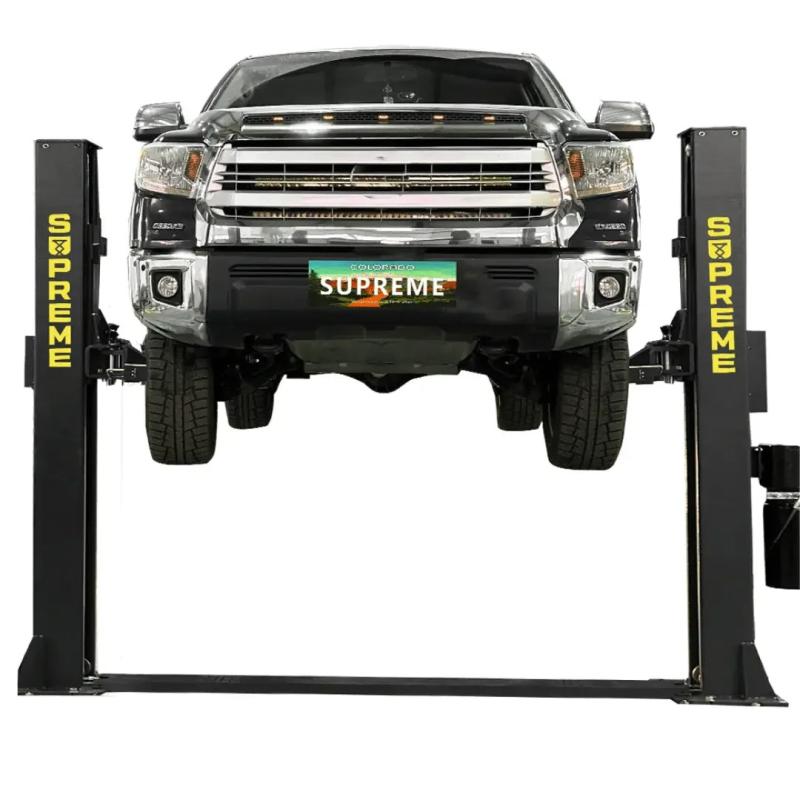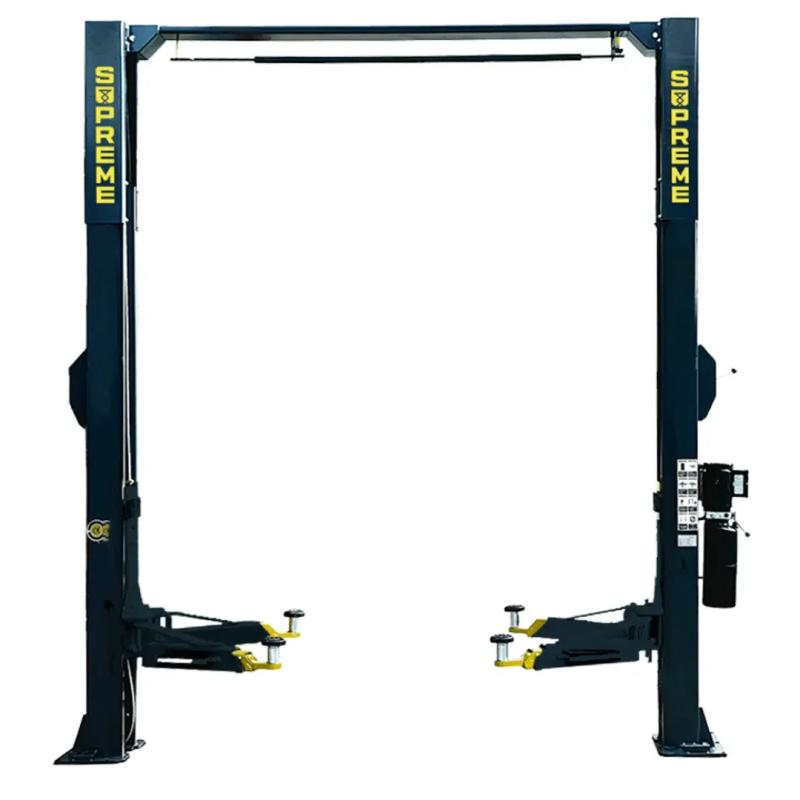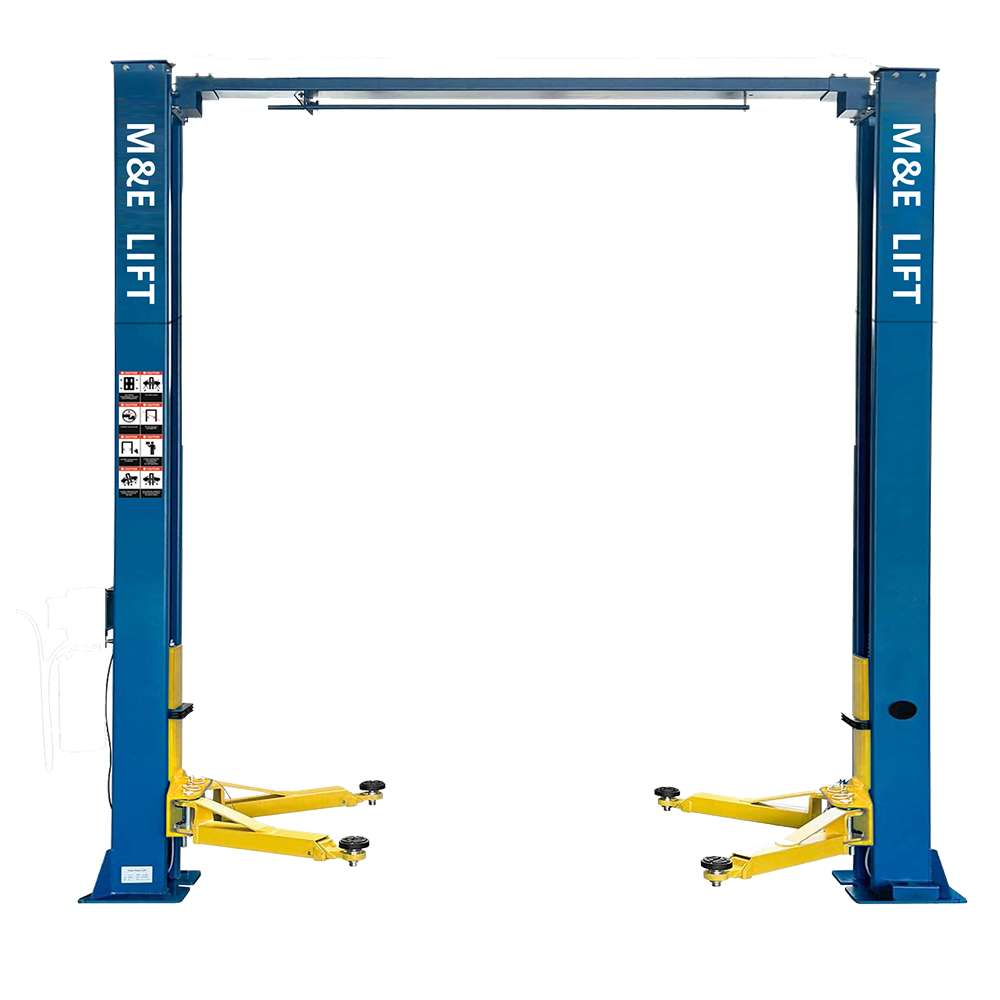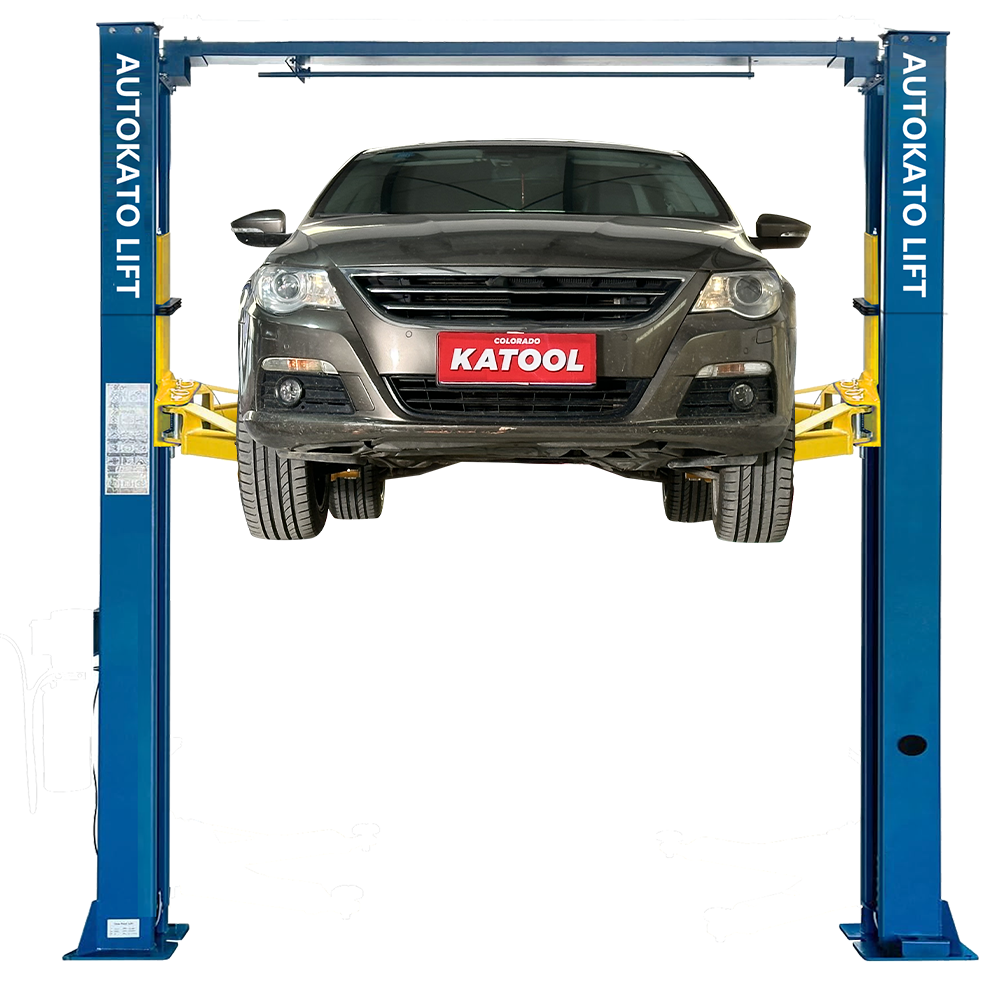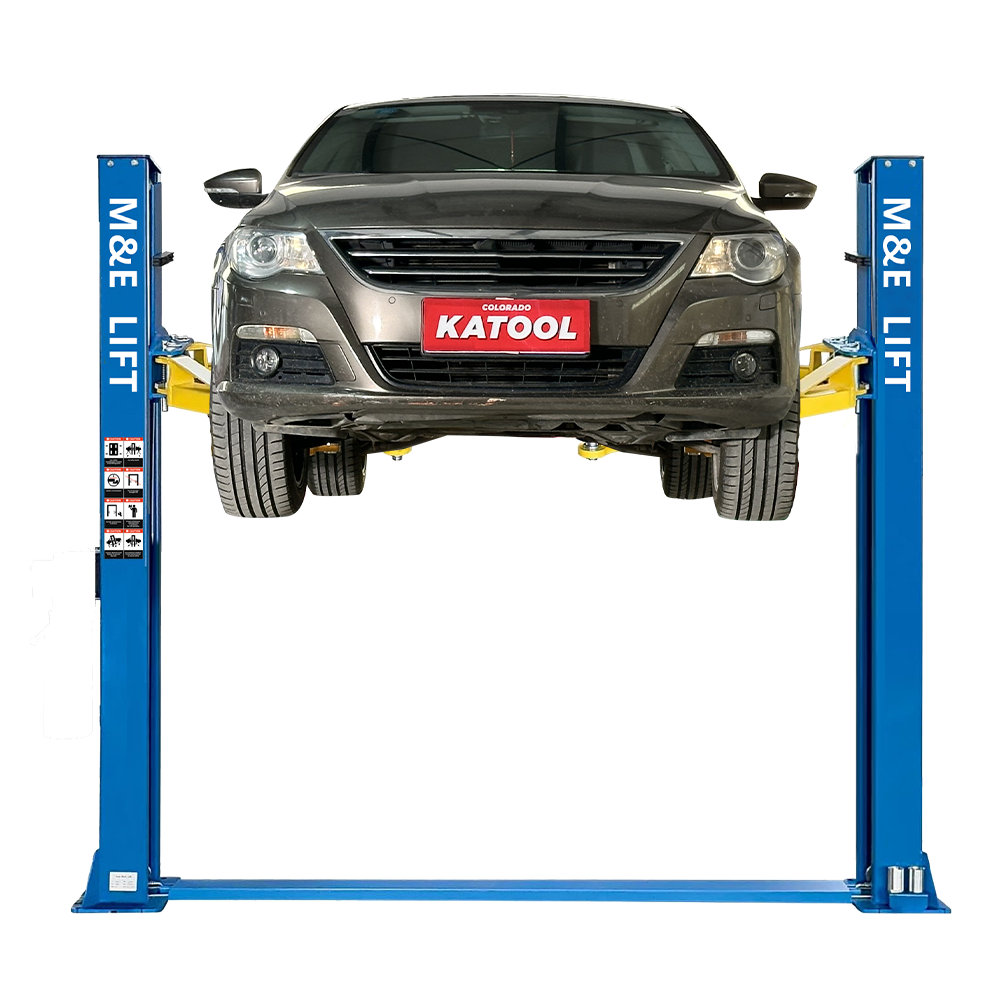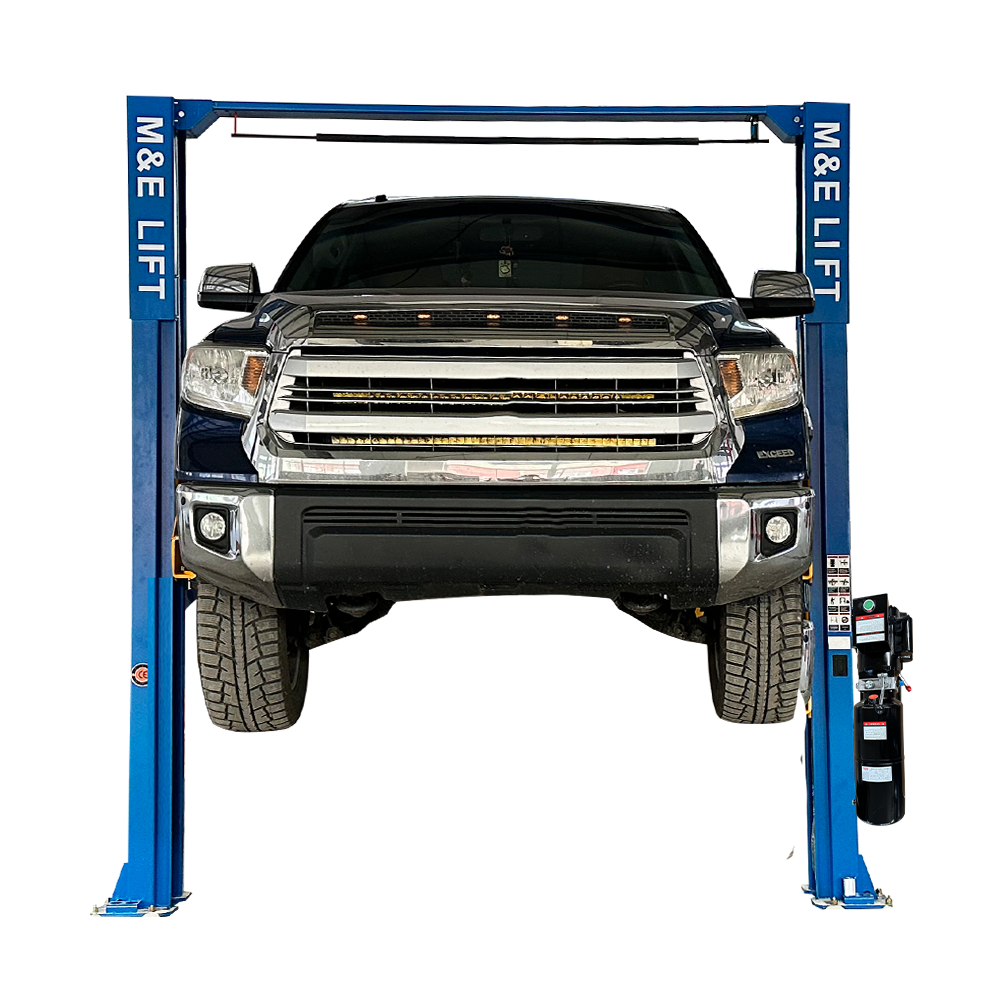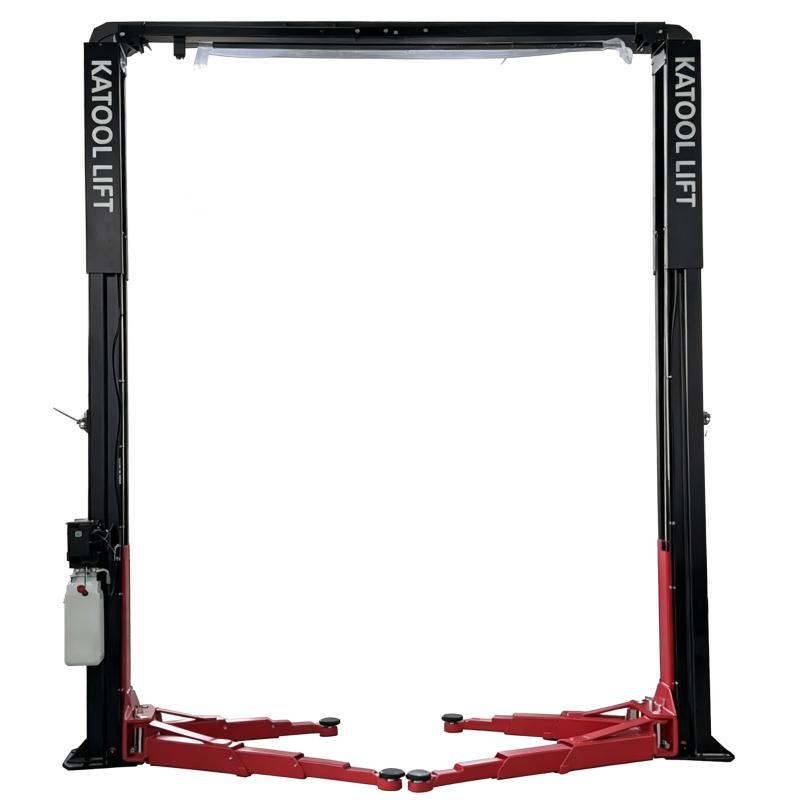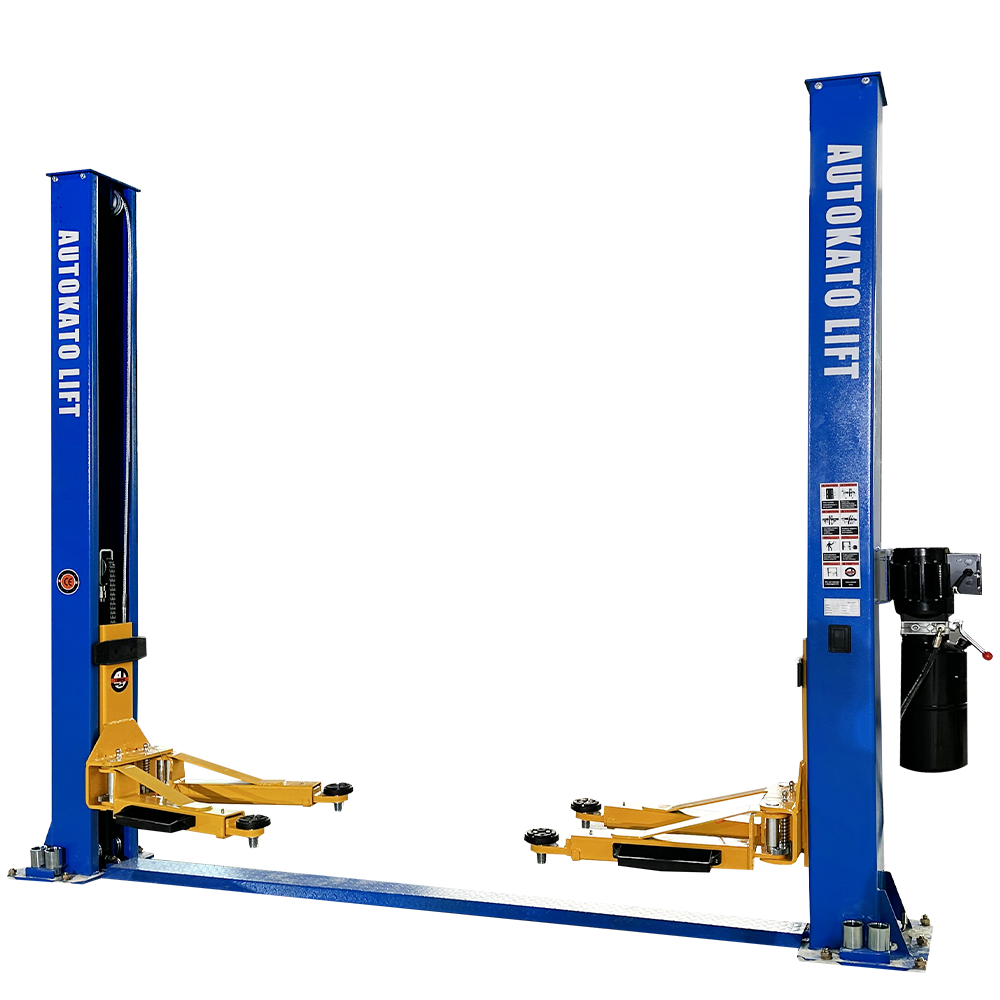
Katool KT-H105 10,000 lb Two Post Vehicle Lift Base Plate Car Lift
$1899.00 $2074.00
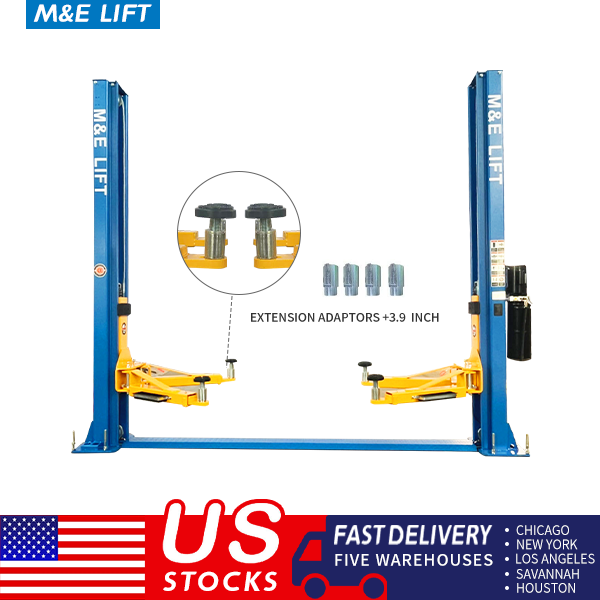
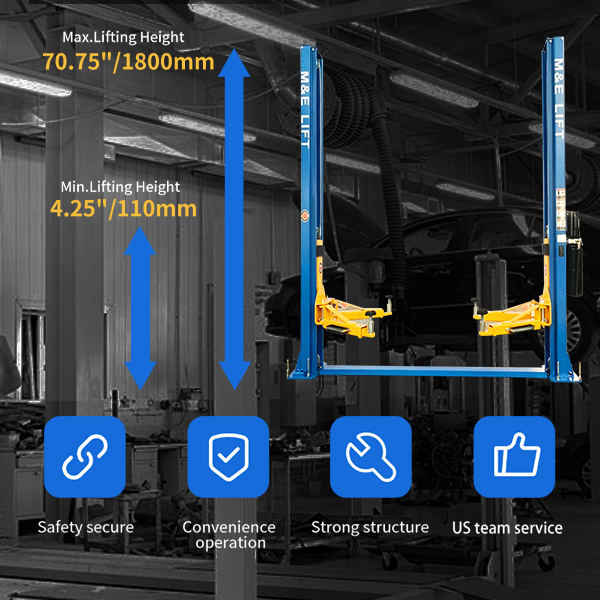
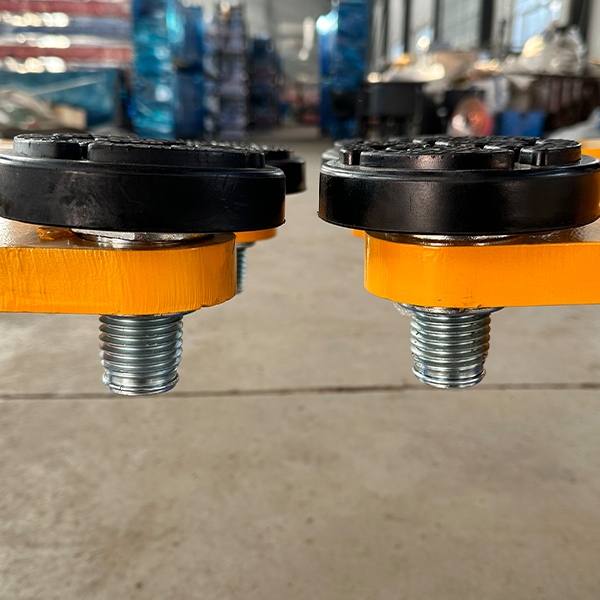
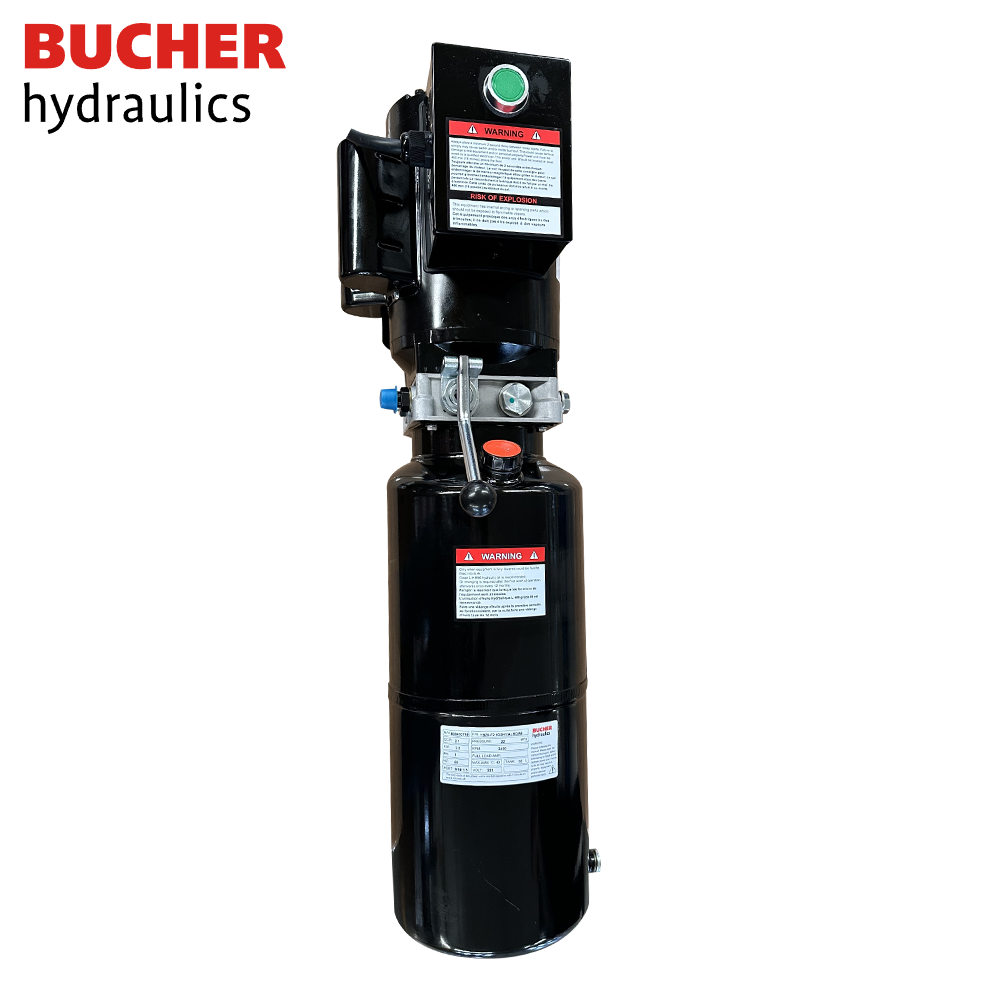
*Concrete thickness must be at least 5.9” (150 MM) with a 3000 PSI rating. Failure to install this lift on the proper concrete, could result in serious injury or death! It is the customer’s responsibility to verify concrete thickness and strength before purchase and installation The ME-H1000 Two-Post Vehicle Lift is designed to deliver reliable lifting performance, durability, and safety for automotive repair shops and home garages. With a 10,000 lb lifting capacity, this heavy-duty lift is ideal for servicing.
 KATOOL


*Concrete thickness must be at least 5.9” (150 MM) with a 3000 PSI rating. Failure to install this lift on the proper concrete, could result in serious injury or death! It is the customer’s responsibility to verify concrete thickness and strength before purchase and installation
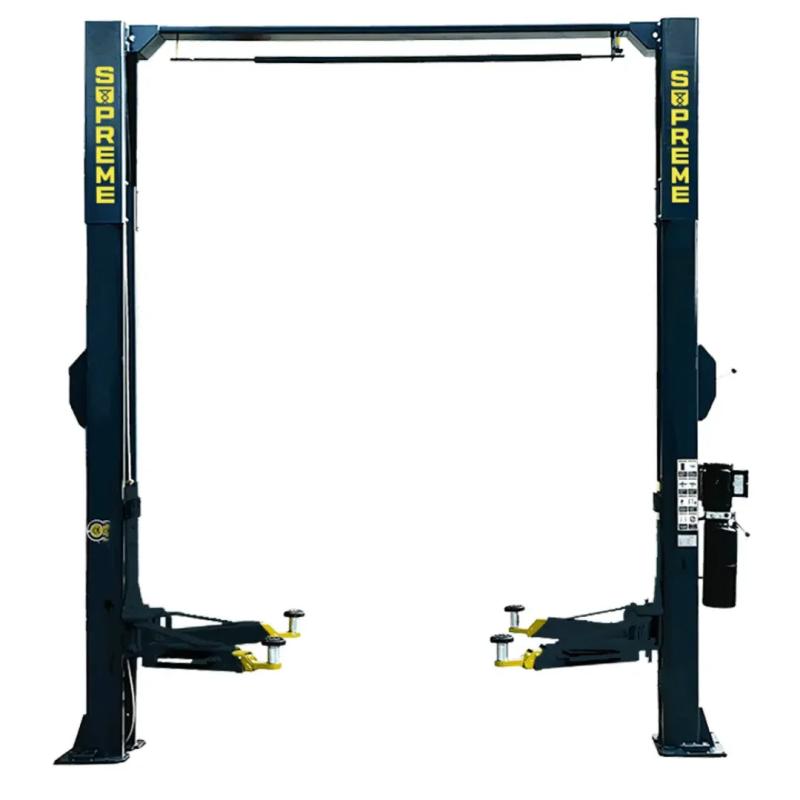
The ME-H1000 Two-Post Vehicle Lift is designed to deliver reliable lifting performance, durability, and safety for automotive repair shops and home garages. With a 10,000 lb lifting capacity, this heavy-duty lift is ideal for servicing cars, SUVs, and light-duty trucks with confidence and stability.
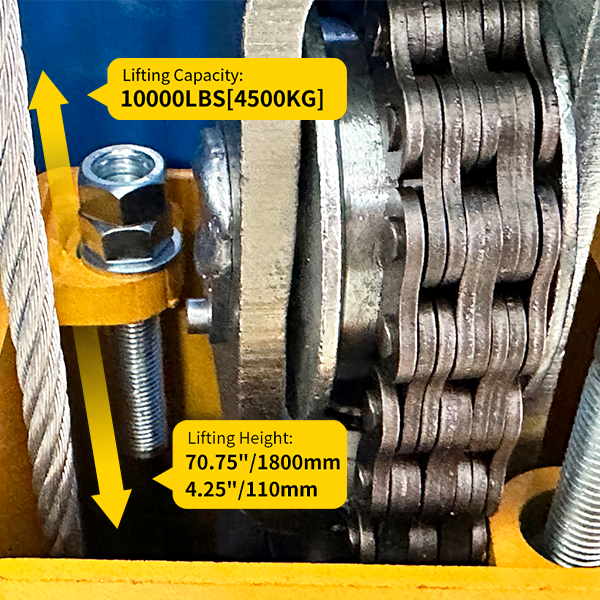
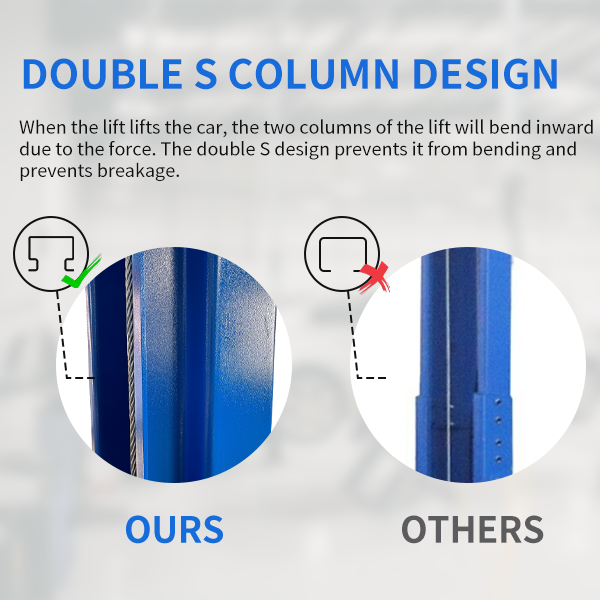
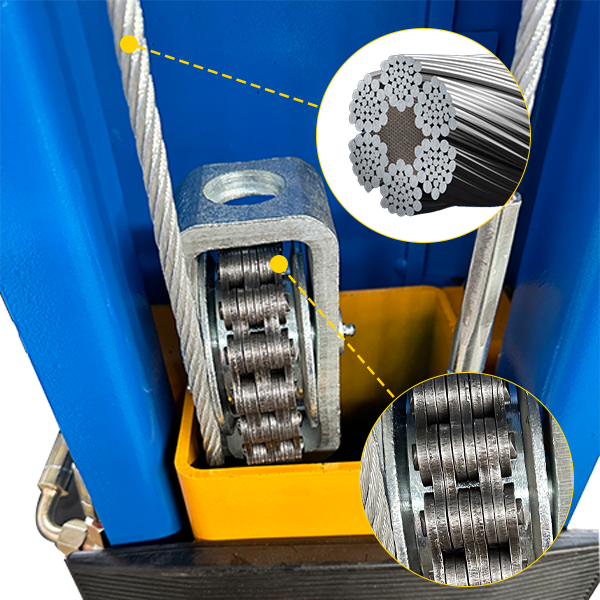
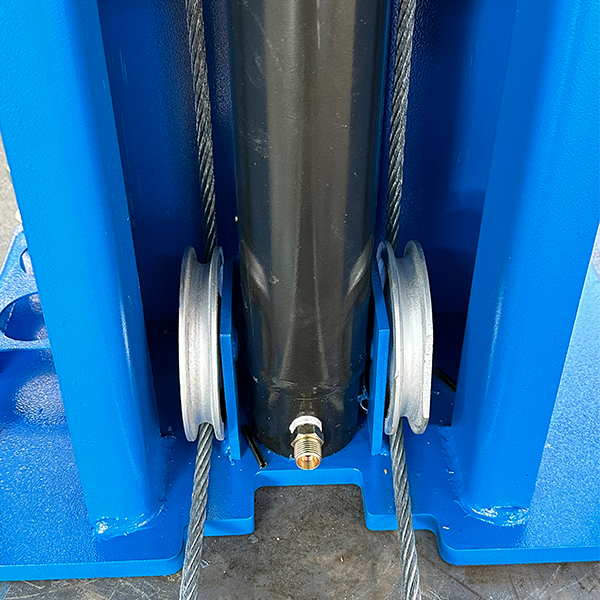
Built with a rugged base plate design and dual hydraulic chain-drive cylinders, the ME-H1000 provides smooth lifting operation and dependable long-term performance for daily maintenance and repair work.
Engineered to meet professional safety standards, this lift is CE Approved and Certified and has been tested to withstand 115% dynamic loading capacity and 150% static loading capacity.
| Specification | Details |
| Lifting Capacity | 10,000 lbs (4,500 kg) |
| Max. Lifting Height | 70.8" (1800 mm) |
| Minimum Height | 3.9" (100 mm) |
| Overall Height | 110.9" (2818 mm) |
| Overall Width | 140.4" (3565 mm) |
| Outside Column Width | 124.8" (3170 mm) |
| Inside Column Width | 110.2" (2800 mm) |
| Drive-Thru Clearance | 98.4" (2500 mm) |
| Front Arm Reach (Min) | 29.5" (750 mm) – 2 stages |
| Front Arm Reach (Max) | 46" (1170 mm) – 2 stages |
| Rear Arm Reach (Min) | 35.4" (900 mm) – 2 stages |
| Rear Arm Reach (Max) | 58.2" (1480 mm) – 2 stages |
| Motor | 220VAC / 60HZ / 1PH / 2.2KW |
| Net Weight | 1,257 lbs (570 kg) |
Two-post lifts are essential in automotive shops, but selecting the appropriate lift with the correct weight capacity is crucial for safety and equipment longevity.
Two-post lifts generally have weight capacities ranging from 7,000 to 20,000 pounds, accommodating various vehicles from light-duty cars to heavy-duty trucks. It's important to note that each lift arm also has its own weight limit. For instance, a lift with a 10,000-pound total capacity may have each arm rated for 2,500 pounds. Therefore, if a vehicle's weight distribution exceeds this per-arm limit, the lift may not be suitable.
To determine the appropriate lift capacity:
For example, if a vehicle weighs 9,000 pounds with a 6,000-pound front axle and a 3,000-pound rear axle, each arm would need to support 3,000 pounds. In this case, a 10,000-pound lift with 2,500-pound arms would be insufficient. Opting for a 12,000-pound lift would be safer.
Selecting a lift with a capacity that exceeds the vehicle's weight requirements is advisable. This accounts for variables like vehicle modifications, additional equipment, or unexpected weight distributions. Many manufacturers recommend not exceeding 75% of a lift's rated capacity to maintain safety margins.
By understanding and respecting the weight capacities and operational guidelines of two-post lifts, automotive shops can ensure safer working conditions and prolong the lifespan of their equipment.
 All reviews are from verified purchases
 We're here to help.